Buy freemoda.eu ?
We are moving the project
freemoda.eu .
Are you interested in purchasing the domain
freemoda.eu ?
domain@kv-gmbh.de · 0541-91531010
Buy freemoda.eu ?
Why do caregivers usually wear white clothing?
Caregivers usually wear white clothing because it is associated with cleanliness, purity, and sterility. White clothing can help create a sense of trust and confidence in the caregiver's ability to maintain a clean and hygienic environment for the person they are caring for. Additionally, white clothing can make it easier to spot any stains or spills, allowing for quick and efficient cleaning. Overall, wearing white clothing can help convey a sense of professionalism and dedication to the well-being of the person under their care. **
May patients and caregivers...?
May patients and caregivers seek support and guidance from healthcare professionals and support groups to better understand and manage their medical conditions. It is important for patients and caregivers to stay informed and educated about the condition, treatment options, and potential side effects. Seeking out reliable sources of information and connecting with others who have similar experiences can help patients and caregivers feel more empowered and supported in their journey. **


Similar search terms for Caregivers
Top-Angebote
Products related to Caregivers:
-
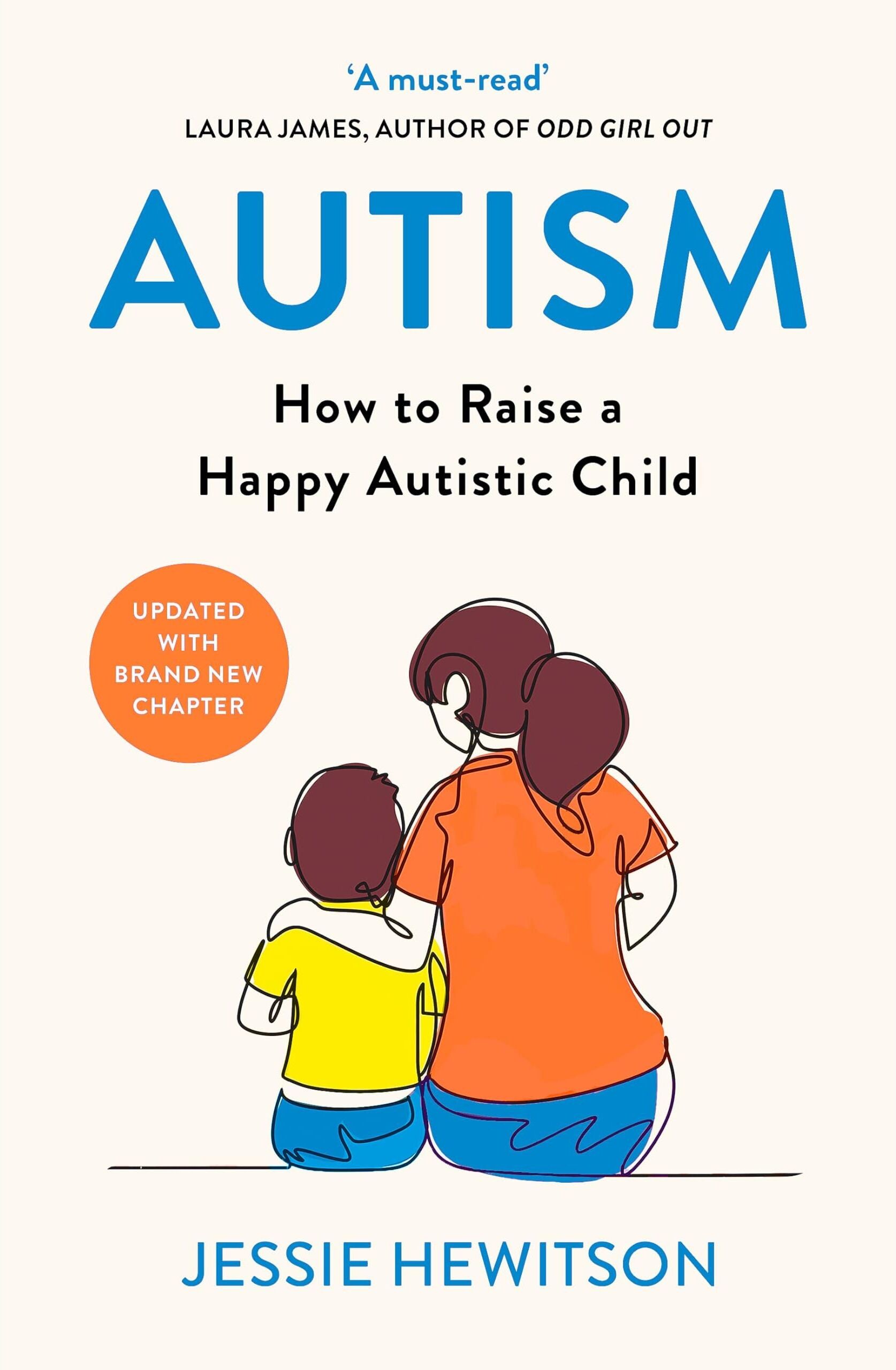
Orion Autism: How to Raise a Happy Autistic Child by Jessie Hewitson Practical Parenting Guide for Families & CaregiversSupport your child's unique strengths with Autism: How to Raise a Happy Autistic Child by award-winning journalist and parenting author Jessie Hewitson. Written from a neurodiversity-affirming perspective, this practical guide combines personal experience, expert insights, and advice from autistic people, parents, and professionals. It offers compassionate, evidence-informed guidance to help families better understand autism while supporting their child's wellbeing, confidence, and development. Covering topics such as education, communication, sensory differences, emotional wellbeing, and everyday family life, this book provides realistic strategies to help parents navigate challenges while celebrating the individuality of autistic children. It focuses on helping children thrive rather than trying to change who they are. Why Parents & Caregivers Love This Book: Practical, compassionate advice for supporting autistic children Written from a neurodiversity-affirming approach Combines lived experience with expert guidance Covers school, sensory needs, communication, and family life Ideal for parents, carers, teachers, and SEND professionals A trusted and reassuring resource, Autism: How to Raise a Happy Autistic Child helps families better understand autism and build a supportive environment where autistic children can flourish.4,99 £*Shipping: 1,99 £Secure redirect to the provider
-
ModernMart Professional Pearl Setting Machine Kit For DIY Clothing, Hats & Fashion Accessories whiteBring your fashion ideas to life with this easytouse pearl rivet tool designed for creative makers and small business crafters alike. Whether you're customizing jackets, skirts, hats, or handbags, this tool helps you attach elegant pearl accents...79,97 $*Shipping: 0,00 $Secure redirect to the provider

-
Why are caregivers often sick?
Caregivers are often sick because they may neglect their own health while prioritizing the needs of those they care for. The physical and emotional demands of caregiving can lead to stress, lack of sleep, poor nutrition, and limited time for self-care activities. Additionally, caregivers may be exposed to the illnesses of those they care for, increasing their risk of getting sick themselves. It is important for caregivers to prioritize their own health and well-being in order to continue providing effective care to others. **
-
Why are caregivers so unsympathetic?
Caregivers may appear unsympathetic due to a variety of reasons. They may be overwhelmed by the demands of their caregiving responsibilities, leading to emotional exhaustion and reduced capacity for empathy. Additionally, caregivers may have their own personal stressors and challenges that impact their ability to be sympathetic. Furthermore, the nature of the caregiving role itself, which often involves managing difficult and complex situations, can contribute to a lack of empathy at times. It's important to recognize that caregivers are often doing their best in challenging circumstances, and providing them with support and understanding can help alleviate some of these challenges. **
-
How many caregivers are there?
There are approximately 53 million caregivers in the United States, according to the National Alliance for Caregiving and AARP. These caregivers provide unpaid care to an adult or child with special needs. The number of caregivers is expected to continue to grow as the population ages and the demand for caregiving services increases. These caregivers play a crucial role in supporting the well-being of their loved ones and often face significant challenges in balancing their caregiving responsibilities with other aspects of their lives. **
-
Are caregivers allowed to insult?
No, caregivers are not allowed to insult the individuals they are caring for. Caregivers are expected to provide compassionate and respectful care to their clients or patients. Insulting or demeaning language is not appropriate in a caregiving role and can be harmful to the well-being of the individual receiving care. It is important for caregivers to communicate in a respectful and supportive manner at all times. **


Why do caregivers wear a uniform?
Caregivers wear a uniform for several reasons. Firstly, it helps to easily identify them in a healthcare setting, making it easier for patients and their families to recognize who is providing care. Secondly, uniforms create a sense of professionalism and authority, instilling confidence in the patients about the caregivers' expertise and qualifications. Lastly, uniforms can also help maintain a hygienic environment by ensuring that caregivers are dressed appropriately for the tasks they are performing. **
Can caregivers forbid someone from eating?
Caregivers can set boundaries and guidelines for someone's diet, especially if it is for health or safety reasons. However, completely forbidding someone from eating may not be ethical or practical. It is important for caregivers to communicate openly with the individual and work together to find a solution that meets both parties' needs and respects the individual's autonomy. **
Top-Angebote
Products related to Caregivers:
-
Perfect Picks Market Smart WiFi SOS Call Button For Seniors & Caregivers Wireless Emergency Alert System Smart WiFi SOS Call Button For Seniors & Caregivers Wireless Emergency Alert SystemEnsure peace of mind for your loved ones with the Smart WiFi SOS Call Button. Perfect for seniors, patients, or the disabled, this wireless emergency alert system allows immediate assistance at the press of a button. Designed to be simple yet...99,97 $*Shipping: 0,00 $Secure redirect to the provider
-
Wilson Weaning Essentials 3 Books Collection Set For Parents And Caregivers - Non Fiction - PaperbackTitles in This Set:. Baby Food Matters[Paperback]. What Mummy Makes: Easy Weaning. Wean in 15 Condition: BRAND NEW. Format: Mixed lot. ISBN: 9788353001653 Overview:. Three practical guides for parents navigating the early years of feeding, this 3-book collection blends science, dependable guidance and everyday practicality to support confident, joyful mealtimes. Baby Food Matters brings rigor and clarity to infant nutrition, helping you separate evidence from myths and apply the latest research to your child’s diet. What Mummy Makes: Easy Weaning turns theory into action with a warm, approachable method that scales from six months to toddlerhood, showing how one well-balanced family meal can nourish everyone. Wean in 15 offers a busy-parent toolkit, with clear timelines, portion guidance and shopping plans designed to fit real-life schedules, including freezer-friendly options. Together, these titles create a cohesive, science-backed path from first tastes to family meals, ideal for new parents, carers and anyone seeking reliable, practical advice on weaning and early eating. What Makes This Collection Special:. This trio stands apart by marrying authoritative nutrition science with true-to-life cooking guidance. Baby Food Matters grounds every recommendation in robust research, helping families cut through conflicting advice and build healthy habits from the start. What Mummy Makes: Easy Weaning translates those findings into approachable steps, embracing a “one meal for all” philosophy that simplifies cooking while supporting texture progression and balanced nutrition. Wean in 15 then translates theory into a practical regimen—start timing, portion sizes, shopping lists and batch prep—that makes weaning feel doable, not daunting. The collection suits readers at different stages: scientific-minded parents who want evidence-based reassurance, busy households seeking time-saving strategies, and gift buyers looking for a trusted, lasting resource for a growing family. Books Included in This Collection:. Baby Food Matters[Paperback]. Grounded in the latest nutrition science, this guide from Dr Clare Llewellyn and Dr Hayley Syrad demystifies infant feeding. It differentiates proven strategies from popular myths and explains how to introduce solids at the right pace, balance nutrients, and support healthy eating patterns that can last a lifetime. The tone is clear and practical, with evidence-based tips you can apply from day one. Responsive feeding—attuning to your baby’s hunger and fullness cues—is a key theme, making this book an essential reference for parents who want reliable, up-to-date guidance in a readable, easy-to-digest format. What Mummy Makes: Easy Weaning. From Sunday Times bestselling author Rebecca Wilson, this guide brings warmth and practicality to the weaning journey. Following the What Mummy Makes method, you’ll learn how to cook one nutritious meal that suits babies, toddlers and busy grown-ups alike. The book offers step-by-step...21,99 £*Shipping: 2,99 £Secure redirect to the provider
-
Orion Autism: How to Raise a Happy Autistic Child by Jessie Hewitson Practical Parenting Guide for Families & CaregiversSupport your child's unique strengths with Autism: How to Raise a Happy Autistic Child by award-winning journalist and parenting author Jessie Hewitson. Written from a neurodiversity-affirming perspective, this practical guide combines personal experience, expert insights, and advice from autistic people, parents, and professionals. It offers compassionate, evidence-informed guidance to help families better understand autism while supporting their child's wellbeing, confidence, and development. Covering topics such as education, communication, sensory differences, emotional wellbeing, and everyday family life, this book provides realistic strategies to help parents navigate challenges while celebrating the individuality of autistic children. It focuses on helping children thrive rather than trying to change who they are. Why Parents & Caregivers Love This Book: Practical, compassionate advice for supporting autistic children Written from a neurodiversity-affirming approach Combines lived experience with expert guidance Covers school, sensory needs, communication, and family life Ideal for parents, carers, teachers, and SEND professionals A trusted and reassuring resource, Autism: How to Raise a Happy Autistic Child helps families better understand autism and build a supportive environment where autistic children can flourish.4,99 £*Shipping: 1,99 £Secure redirect to the provider
-
ModernMart Professional Pearl Setting Machine Kit For DIY Clothing, Hats & Fashion Accessories whiteBring your fashion ideas to life with this easytouse pearl rivet tool designed for creative makers and small business crafters alike. Whether you're customizing jackets, skirts, hats, or handbags, this tool helps you attach elegant pearl accents...79,97 $*Shipping: 0,00 $Secure redirect to the provider
-
Why do caregivers usually wear white clothing?
Caregivers usually wear white clothing because it is associated with cleanliness, purity, and sterility. White clothing can help create a sense of trust and confidence in the caregiver's ability to maintain a clean and hygienic environment for the person they are caring for. Additionally, white clothing can make it easier to spot any stains or spills, allowing for quick and efficient cleaning. Overall, wearing white clothing can help convey a sense of professionalism and dedication to the well-being of the person under their care. **
-
May patients and caregivers...?
May patients and caregivers seek support and guidance from healthcare professionals and support groups to better understand and manage their medical conditions. It is important for patients and caregivers to stay informed and educated about the condition, treatment options, and potential side effects. Seeking out reliable sources of information and connecting with others who have similar experiences can help patients and caregivers feel more empowered and supported in their journey. **
-
Why are caregivers often sick?
Caregivers are often sick because they may neglect their own health while prioritizing the needs of those they care for. The physical and emotional demands of caregiving can lead to stress, lack of sleep, poor nutrition, and limited time for self-care activities. Additionally, caregivers may be exposed to the illnesses of those they care for, increasing their risk of getting sick themselves. It is important for caregivers to prioritize their own health and well-being in order to continue providing effective care to others. **
-
Why are caregivers so unsympathetic?
Caregivers may appear unsympathetic due to a variety of reasons. They may be overwhelmed by the demands of their caregiving responsibilities, leading to emotional exhaustion and reduced capacity for empathy. Additionally, caregivers may have their own personal stressors and challenges that impact their ability to be sympathetic. Furthermore, the nature of the caregiving role itself, which often involves managing difficult and complex situations, can contribute to a lack of empathy at times. It's important to recognize that caregivers are often doing their best in challenging circumstances, and providing them with support and understanding can help alleviate some of these challenges. **
Similar search terms for Caregivers
-
MGA Entertainment Rainbow High Amaya’s Rainbow Closet Playset - Clothing Shoes AccessoriesBring colourful fashion play to life with Rainbow High Amaya’s Rainbow Closet Playset. This all-in-one set includes an exclusive Amaya fashion doll and a vibrant rainbow-shaped closet filled with clothing, shoes, and accessories to inspire creative styling. Amaya features long, brushable hair streaked with bright rainbow colours and comes dressed in her signature Rainbow High style. The colourful closet includes a clothing rail for displaying outfits, four-tier shelves for shoes and handbags, and additional space for arranging the included accessories. Children can enjoy dressing Amaya, organising her wardrobe, and creating new looks again and again. The set includes six fashion pieces made up of three tops, two skirts, and one pair of trousers, along with shoes, two handbags, four hangers, and a comb. With so many combinations to explore, the playset encourages imaginative play, self-expression, and creative storytelling. The rainbow closet also makes an attractive display piece when playtime is over.43,99 £*Shipping: 3,95 £Secure redirect to the provider
-
How many caregivers are there?
There are approximately 53 million caregivers in the United States, according to the National Alliance for Caregiving and AARP. These caregivers provide unpaid care to an adult or child with special needs. The number of caregivers is expected to continue to grow as the population ages and the demand for caregiving services increases. These caregivers play a crucial role in supporting the well-being of their loved ones and often face significant challenges in balancing their caregiving responsibilities with other aspects of their lives. **
-
Are caregivers allowed to insult?
No, caregivers are not allowed to insult the individuals they are caring for. Caregivers are expected to provide compassionate and respectful care to their clients or patients. Insulting or demeaning language is not appropriate in a caregiving role and can be harmful to the well-being of the individual receiving care. It is important for caregivers to communicate in a respectful and supportive manner at all times. **
-
Why do caregivers wear a uniform?
Caregivers wear a uniform for several reasons. Firstly, it helps to easily identify them in a healthcare setting, making it easier for patients and their families to recognize who is providing care. Secondly, uniforms create a sense of professionalism and authority, instilling confidence in the patients about the caregivers' expertise and qualifications. Lastly, uniforms can also help maintain a hygienic environment by ensuring that caregivers are dressed appropriately for the tasks they are performing. **
-
Can caregivers forbid someone from eating?
Caregivers can set boundaries and guidelines for someone's diet, especially if it is for health or safety reasons. However, completely forbidding someone from eating may not be ethical or practical. It is important for caregivers to communicate openly with the individual and work together to find a solution that meets both parties' needs and respects the individual's autonomy. **
* All prices are inclusive of VAT and, if applicable, plus shipping costs. The offer information is based on the details provided by the respective shop and is updated through automated processes. Real-time updates do not occur, so deviations can occur in individual cases. ** Note: Parts of this content were created by AI.